
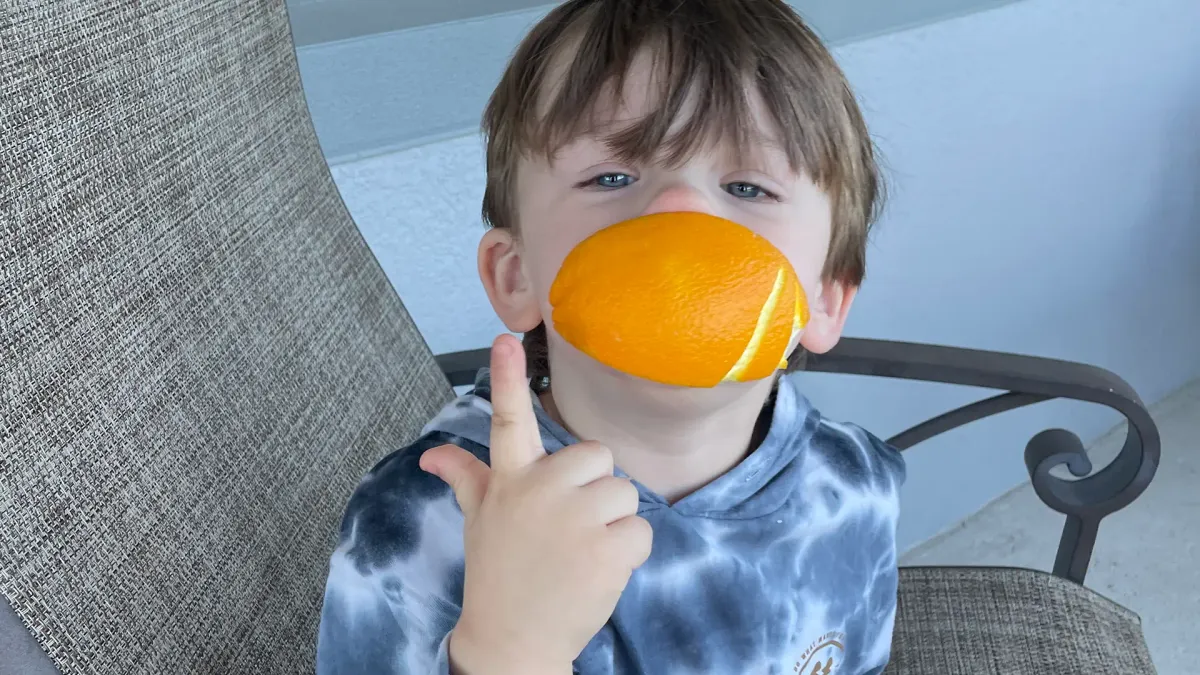
When Eating Isn’t Just About Eating
Many parents have experienced the frustration of preparing a meal only to have their child refuse it before even taking a bite. It can be confusing, exhausting, and sometimes heartbreaking. Questions begin to surface: Are they being stubborn? Are they just picky? Should I push harder?
The reality is that for many children, especially autistic children and those with sensory processing differences, eating is far more complex than simply deciding whether they like a food. Every food presents a sensory experience involving sight, smell, texture, temperature, taste, and even sound. What appears to be food refusal is often a child gathering information and determining whether a food feels safe.
One of the most helpful frameworks for understanding selective eating is Dr. Kay Toomey’s “Steps to Eating” hierarchy. This model reminds us that eating is a process with many important stages that occur long before food is swallowed.
When we recognize and celebrate these stages, mealtimes become less stressful and children are given the opportunity to develop a positive relationship with food.
The Food Exploration Journey
Most adults think of eating as one action. In reality, children often move through multiple levels of interaction before they are ready to take a bite.
Step 1: Tolerates
The journey begins with simply being around food.
A child may:
- Sit at the same table as the food
- Remain in the room while the food is present
- Allow the food to be placed nearby
While this may seem insignificant, for a child who feels overwhelmed by certain foods, tolerance is a major accomplishment.
Step 2: Interacts With
Once a child can tolerate a food, they may begin interacting with it.
Examples include:
- Helping prepare meals
- Stirring ingredients
- Serving food onto a plate
- Moving food with utensils
At this stage, the focus is on building familiarity without any expectation of eating.
Step 3: Smells
Smell is one of the strongest sensory experiences connected to food.
A child may:
- Notice the smell from across the room
- Lean closer to investigate
- Bring the food near their nose
These experiences help the brain collect information and reduce uncertainty.
Step 4: Touches
Touching food can be challenging for children with sensory sensitivities.
A child might:
- Touch the food with one finger
- Use their fingertips
- Hold the food in their hand
- Touch it to their arm, cheek, or lips
Each interaction provides valuable sensory information.
Step 5: Tastes
Before eating comes tasting.
A child may:
- Touch food to their lips
- Touch it to their teeth
- Lick it
- Place it briefly on their tongue
These are important milestones that deserve celebration.
Step 6: Eats
Only after becoming comfortable with the earlier stages may a child be ready to eat.
This might include:
- Taking a small bite
- Chewing and spitting it out
- Chewing and swallowing part of the food
- Eventually chewing and swallowing independently
Every child progresses at their own pace, and there is no universal timeline.
Why Pressure Often Backfires
Many adults unintentionally focus only on the final step.
Comments such as:
- “Just try one bite.”
- “You won’t know if you like it unless you try it.”
- “Take three bites and then you can be done.”
are usually meant to encourage. However, pressure can increase anxiety and make food feel less safe.
When children feel forced, they often become more resistant. When they feel respected and supported, they are more likely to explore.
Instead of measuring success by what was eaten, consider measuring success by engagement.
Did your child look at the food?
Did they smell it?
Did they touch it?
Those are meaningful victories.
Fun Family Activity: Become a Food Explorer
Turn food exploration into a game by creating a “Food Explorer Challenge.”
What You’ll Need
- One new or less-preferred food
- A printed checklist
- Stickers, stamps, or markers
Food Explorer Checklist
- Look at the food
- Touch it with a utensil
- Touch it with one finger
- Smell it
- Kiss it
- Lick it
- Hold it in your mouth for three seconds
- Take a bite
- Chew it
- Swallow it
Allow your child to stop whenever they choose.
The goal is not to complete every box. The goal is exploration, curiosity, and positive experiences.
For extra fun, let your child become a “food scientist” and describe the food:
- Is it crunchy or soft?
- Is it smooth or bumpy?
- Is it warm or cold?
- What does it smell like?
- What color changes do you notice?
This playful approach removes pressure while encouraging engagement.
Shifting Our Mindset
One of the most important lessons from the Steps to Eating model is that progress is not defined by swallowing food.
Progress is defined by increasing comfort, curiosity, and confidence around food.
When we shift our focus from compliance to exploration, we create opportunities for success. We move away from power struggles and toward connection. We teach children that their sensory experiences matter and that food can be approached safely and gradually.
Every look, smell, touch, lick, and tiny bite is part of the learning process.
Summary
Selective eating is rarely about defiance. More often, it is about sensory processing differences, uncertainty, anxiety, motor challenges, or the need for predictability. Understanding the Steps to Eating allows us to meet children where they are and support them without pressure.
Remember, today’s victory may not be a bite of broccoli. It may be allowing broccoli to sit on the table, touching it with one finger, or smelling it for the first time.
Those small moments matter because they are often the foundation for bigger successes later. By celebrating every step, we help children build trust, confidence, and a healthier relationship with food.
Ready to Support Your Child’s Food Journey?
If your child struggles with food exploration, mealtime stress, ARFID, sensory sensitivities, or selective eating, start by identifying which step of the eating hierarchy they are currently working on. Focus on celebrating that step rather than rushing toward the finish line.
Need additional guidance? Our coaching services provide parent coaching, education, and practical strategies to help families better understand feeding challenges and support children in developing confidence around food.
Contact us today to learn how a strengths-based, neurodiversity-affirming approach can help make mealtimes more positive for the entire family.